
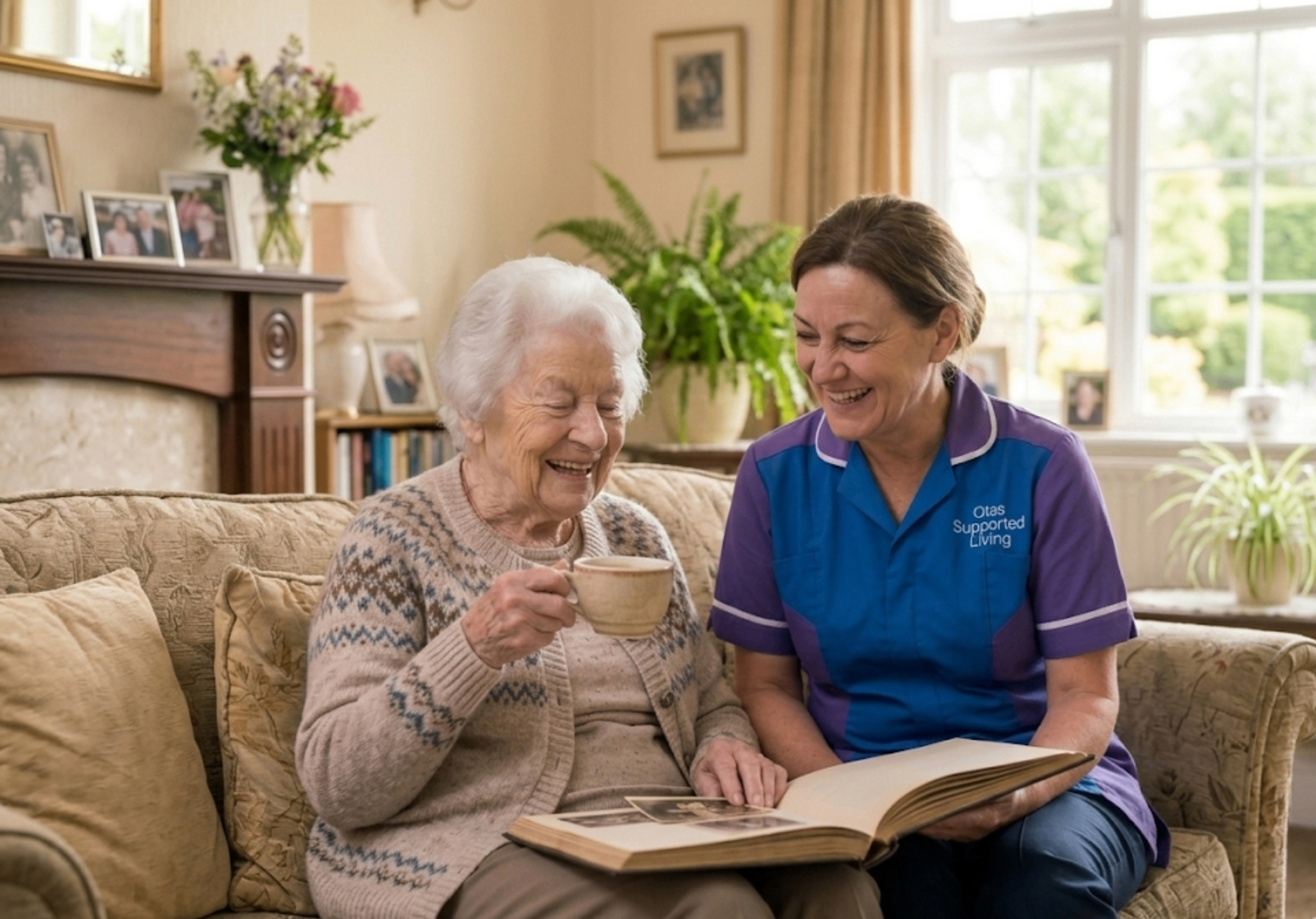
Companionship & Social Support in Sheerness — Friendly Visits That Genuinely Brighten the Day
Warm, engaging companionship and social support visits across the Isle of Sheppey and wider Kent — helping adults stay connected, active, and socially engaged, with a friendly, consistent presence they can look forward to.
Whether you are a family member concerned about an isolated parent, an individual who would simply love someone to talk to, or a professional looking to address a client's social needs, our team is here to help.
We respond to all enquiries within 24 hours, Monday to Friday. All conversations are completely confidential.
Loneliness Is a Health Issue — and We Can Help
The evidence is clear and compelling. Chronic loneliness and social isolation increase the risk of cognitive decline, depression, cardiovascular disease, and premature death. For older adults living alone — particularly those with limited mobility or who have lost a partner — regular social contact is not a luxury. It is a health need.
In the UK, approximately 1.4 million older people are chronically lonely. Many go days or even weeks without meaningful human contact. In communities like Sheerness and the wider Isle of Sheppey, where geography and transport can add further barriers, the problem is particularly acute.
Our companionship and social support service directly addresses this — providing regular, reliable, genuinely enjoyable visits that give clients something to look forward to, someone to share life with, and a link to the wider community.
1.4 million
older people in the UK are chronically lonely
Age UK, 2023
9 in 10
GPs say they see patients daily whose main issue is loneliness
Campaign to End Loneliness
Loneliness
carries health risks equivalent to smoking 15 cigarettes a day
Holt-Lunstad, Brigham Young University
Social connection is a fundamental human need.
Regular, meaningful visits from a familiar, warm companion can reduce anxiety, improve mood, slow cognitive decline, and give individuals a renewed sense of purpose and belonging. It is one of the simplest and most powerful interventions in adult social care.
What Happens During a Companionship Visit
Every visit is shaped by the client's interests, personality, and what they feel like doing on that particular day.
Conversation & Reminiscence
Genuine, engaged conversation — sharing stories, discussing current events, reminiscing about the past. Our carers are trained listeners who bring curiosity, warmth, and time.
Games & Mental Stimulation
Board games, card games, crosswords, puzzles, quizzes, and word games — enjoyable, mentally engaging activities that bring fun and challenge to the visit.
Reading & Creative Activities
Reading aloud, writing letters or memoirs, drawing, painting, crafts — activities that engage creativity, expression, and a sense of accomplishment.
Community Outings
Accompanied trips to local cafés, parks, gardens, shops, libraries, places of worship, and community events — helping clients stay connected to the community they love.
Appointment Accompaniment
Accompanying clients to GP appointments, hospital visits, hairdressers, or any other outing where having a familiar, supportive person alongside makes all the difference.
Shopping & Errands
Accompanying clients on shopping trips — or doing the shopping on their behalf — as part of a visit that combines practical help with social engagement.
Technology Support
Helping clients use smartphones, tablets, and computers to video call family members, browse the internet, use social media, or access online services.
Hobbies & Shared Interests
Gardening, birdwatching, music, cooking, sports discussion, history — we match carers to clients based on shared interests wherever possible.
Wellbeing Check
Every companionship visit includes a quiet observation of the client's general health and mood. Families receive regular updates and any concerns are communicated promptly.
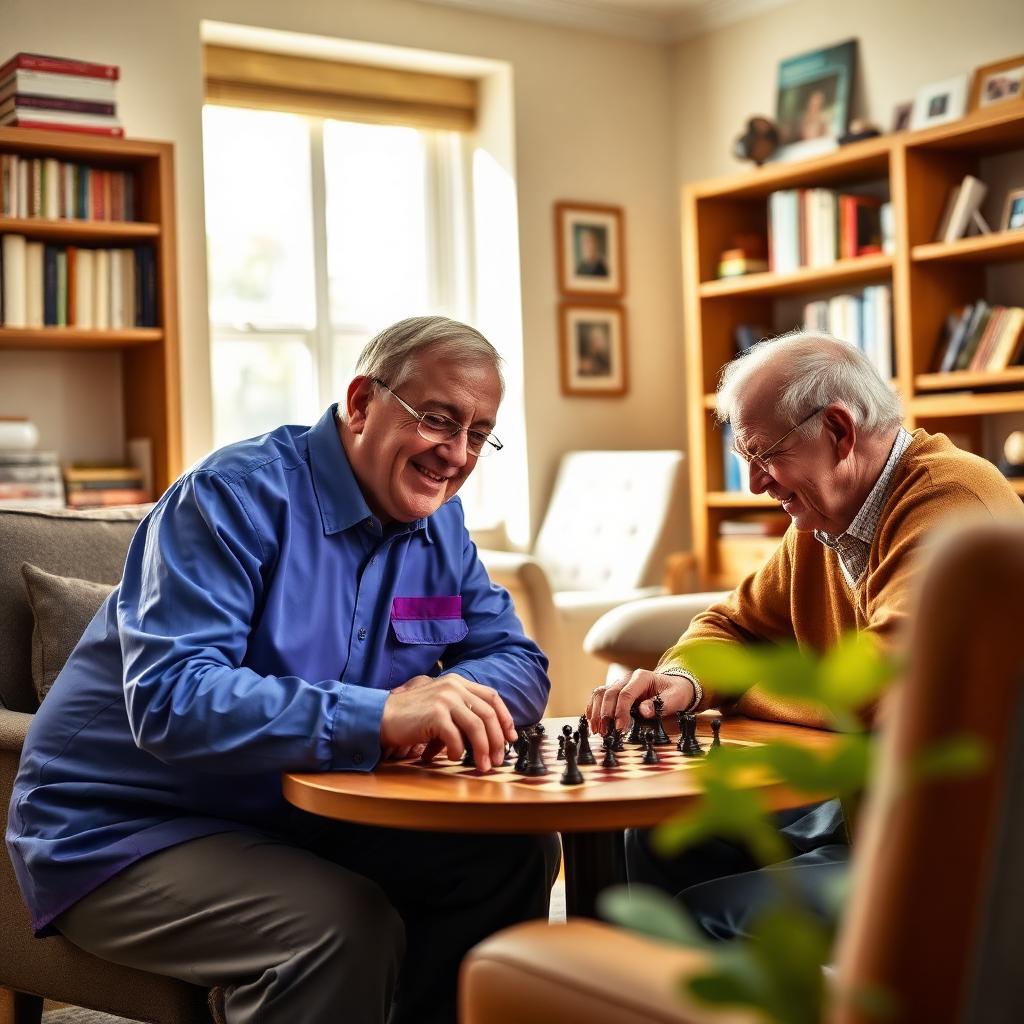
We Match Every Client With the Right Companion — Not Just the Nearest Available Carer
The quality of a companionship visit depends entirely on the quality of the connection between the carer and the client. A shared interest in history, a similar sense of humour, or simply a compatible communication style can transform a visit from a pleasant formality into something genuinely looked forward to.
At Otas, we invest time in getting to know each client before we assign a carer — understanding their personality, background, interests, and how they prefer to communicate. We then match them with a carer who is not just trained and DBS-checked, but genuinely suited to them as a person.
Shared interests and hobbies — sport, music, gardening, history, crafts, cooking
Communication style — chatty and energetic, or calm and reflective
Sense of humour and personality — we take this seriously
Cultural background and language — particularly important for clients whose first language may not be English
Life experience and background — military, rural, professional, or community context
Physical and cognitive needs — ensuring the carer has the right training and experience
"Companionship is not about filling time. It is about filling life — with connection, laughter, purpose, and the simple human joy of being genuinely known by another person."
Who Benefits Most From Companionship and Social Support Visits?
Companionship care is not exclusively for older adults, and it is not a sign of dependency. It is a positive, proactive choice.
Older Adults Living Alone
Adults in later life who live alone and have limited opportunities for meaningful social contact — whether due to mobility, distance from family, or the loss of a partner.
Adults With Early-Stage Dementia
Individuals in the earlier stages of dementia who are still largely independent but who benefit from regular, familiar social visits to maintain cognitive engagement.
Adults Recovering From Illness or Surgery
People who are physically recovering at home and whose social life has been temporarily restricted — benefiting from a friendly, engaging presence.
Adults With Anxiety or Low Mood
Individuals whose mental wellbeing is affected by loneliness, depression, or social anxiety — for whom regular, warm social interaction can make a significant positive difference.
Adults With Physical Disabilities
People whose disability limits their ability to get out and about independently — who benefit from accompanied outings, shared activities, or simply having someone to talk to.
Family Carers Seeking Additional Social Input
Situations where a family carer is the primary point of social contact — and a companionship carer can expand the individual's social world beyond the family.
Visit Arrangements and Funding for Companionship Care
How Our Companionship Visits Work
- Minimum visit length: 1 hour (most visits are 1 to 2 hours)
- Frequency: from once a week to daily visits
- Availability: Monday to Sunday, including evenings
- Same carer every visit, wherever possible — consistency is central
- Local outings included within visit time; transport costs agreed separately
- Visits can begin within one to two weeks of a brief assessment
- Regular check-ins with family to ensure the connection is positive
How Companionship Care Is Funded
- Private / Self-Funding — costs discussed openly after initial enquiry
- Local Authority Funded Care — where social isolation is identified as part of a needs assessment
- Direct Payments and Personal Budgets — a recognised use of direct payment funding
- Social Prescribing Referrals — GPs and social prescribers can refer clients directly
- Charity and Community Funding — some local and national charities fund companionship services
No pricing is displayed on this website. All costs are discussed transparently after your initial enquiry.
Arranging Companionship Care — Simple, Friendly, and Quick
Step 1 — Get in Touch
Call us on 07882 710 854, email info@otassupportedliving.com, or complete the enquiry form. Tell us a little about the person — their personality, interests, and what you are hoping to achieve from the visits.
Step 2 — Brief Matching Assessment
A short telephone or in-person conversation with our care coordinator to understand the individual more fully — their communication style, interests, daily routines, and any relevant health or social context.
Step 3 — Visits Begin
We introduce the matched carer — often with a brief introductory call or first visit with a family member present — and visits begin. Within the first month, we check in to ensure the connection is working well.
Your Questions About Companionship and Social Support, Answered
Request a Free Assessment — No Obligation
Complete the form below and a member of our team will be in touch within 24 hours to discuss your needs.
Contact Details
Home Care Enquiries
07882 710 854Address
21 St. Helens Road, Sheerness, ME12 2QY
Office Hours
Monday to Friday, 9:00am – 5:00pm
Making a Real Difference — Every Week
"Before Otas started visiting, my dad was barely leaving the house and had stopped engaging with the world. Within a month of his companionship visits, he was talking about his carer like an old friend, going to the café on Tuesdays, and — honestly — seemed ten years younger. The change has been extraordinary."
— Son of companionship care client, Isle of Sheppey
Ready to Arrange a Companionship Visit in Sheerness?
A friendly visit can make all the difference. Whether you are exploring options for yourself or a loved one, or referring as a professional, our team would love to hear from you.
No obligation. No pressure. Just a friendly conversation about how we can help.